

For more information about the Joshua-Tor Lab,
contact our Scientific Admin:
Lauren Richter
516-367-6825
lrichter@cshl.edu

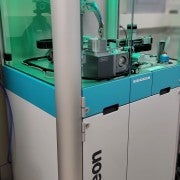



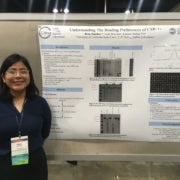
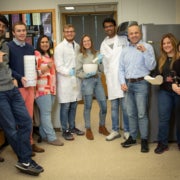
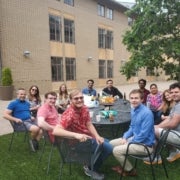
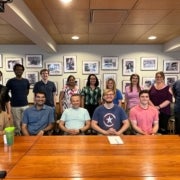
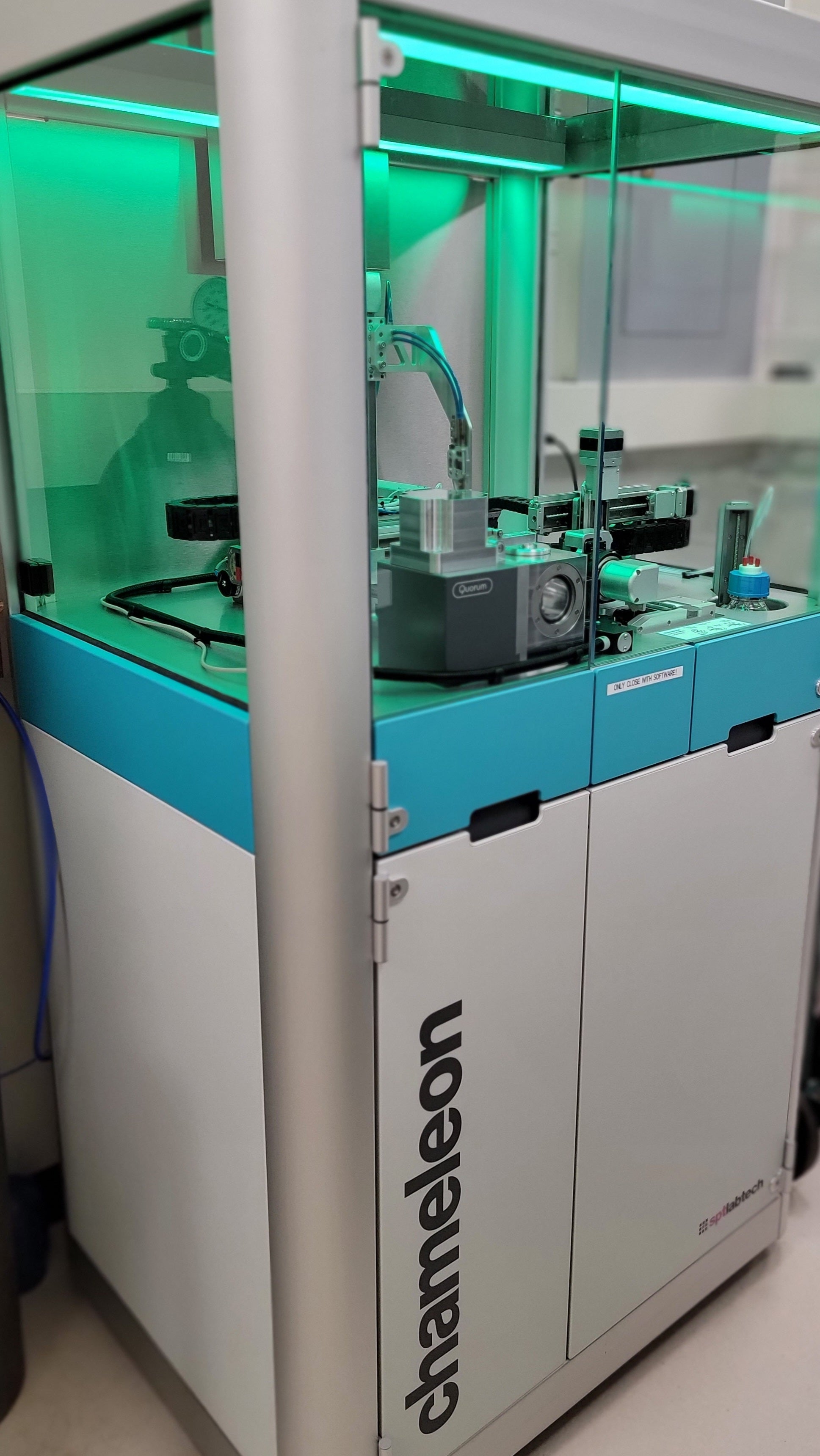
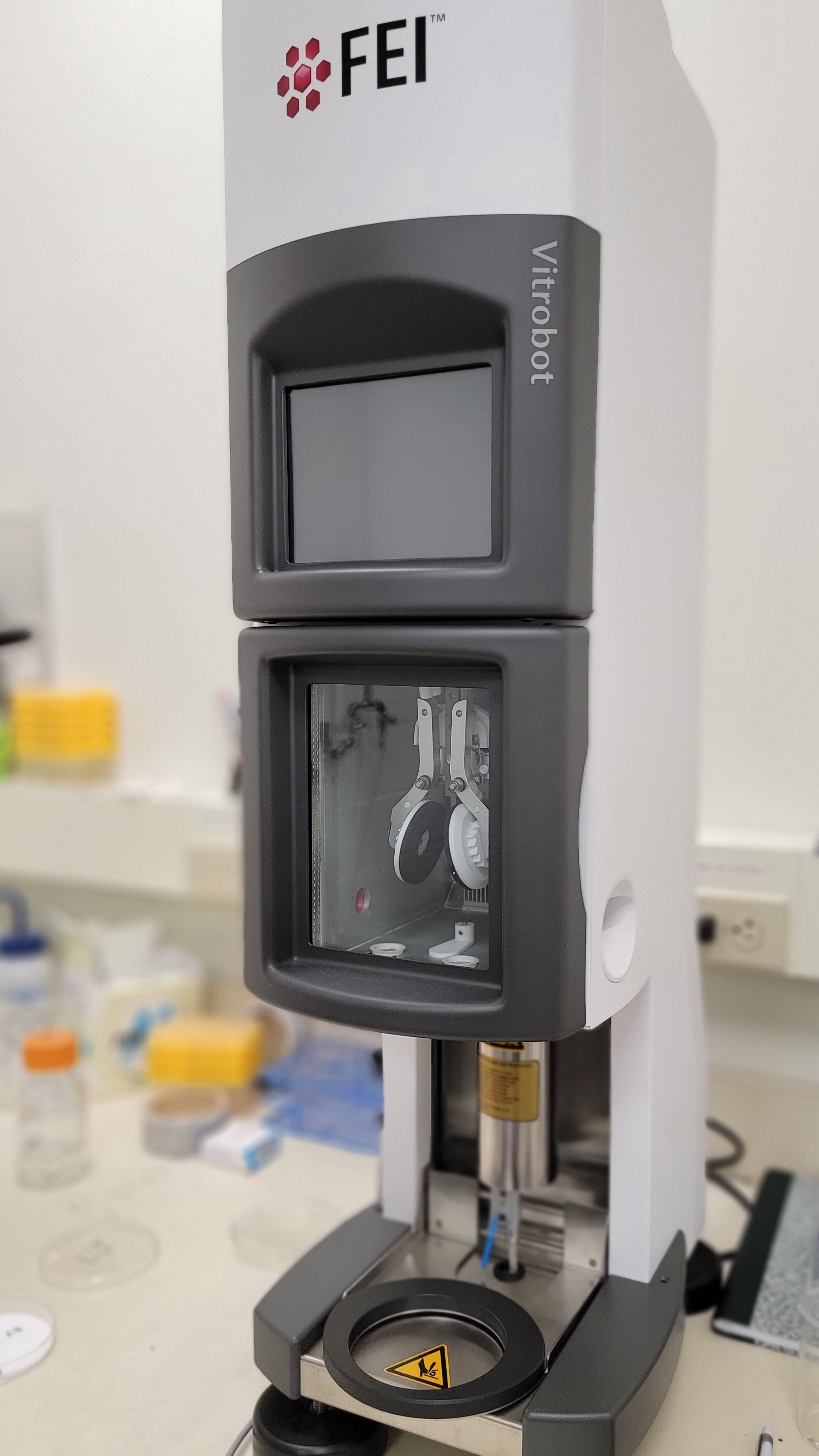
Looking for... career advancement? the newest CryoEM technology? groundbreaking science? a beautiful workplace? awesome coworkers?

In our lab, we value and respect people from all walks of life, finding joy and inspiration from our different cultures and backgrounds.
We are united by our passion for molecular machines – how they work and the biology they ultimately command.
ABOUT THE LAB
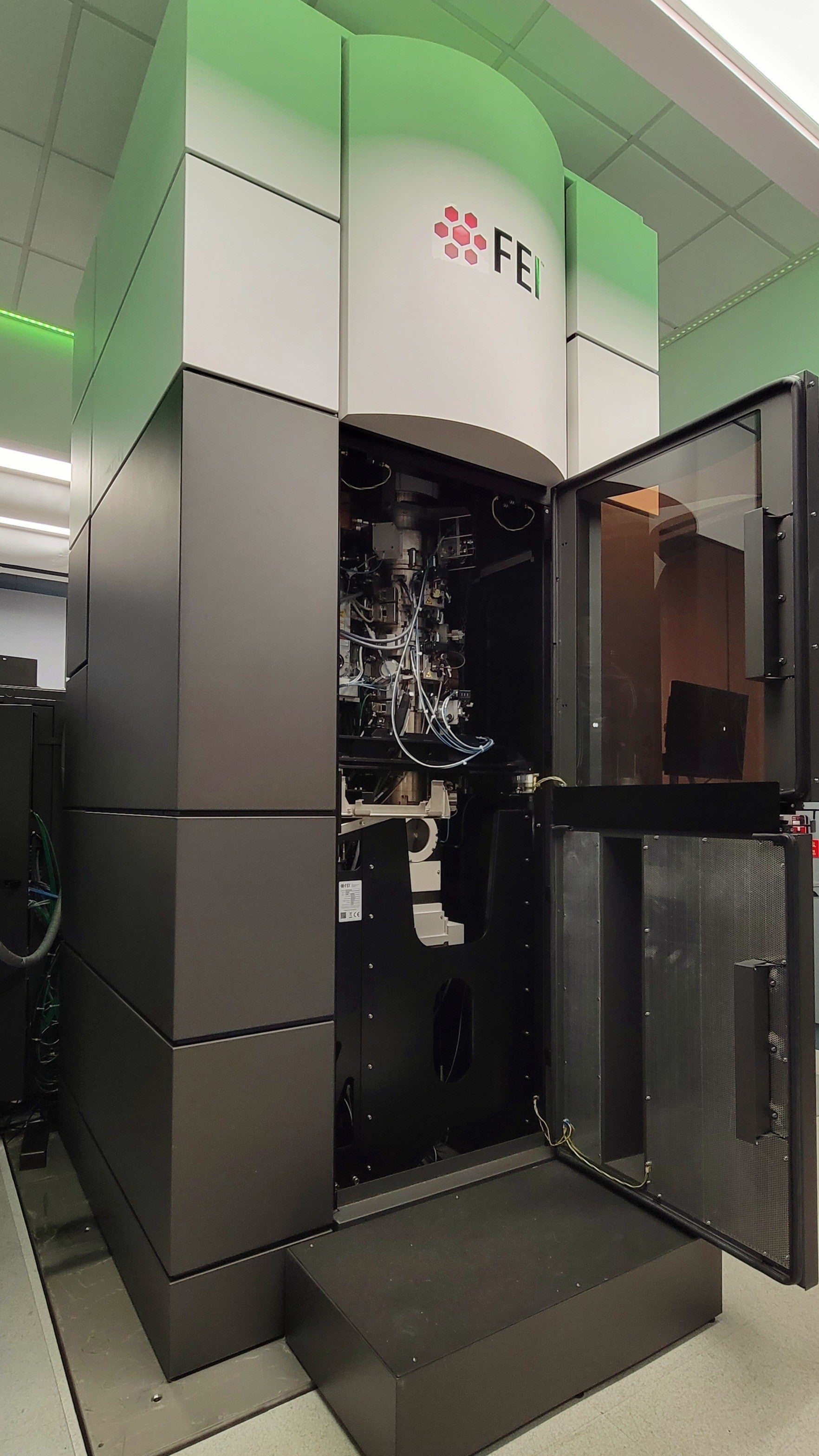
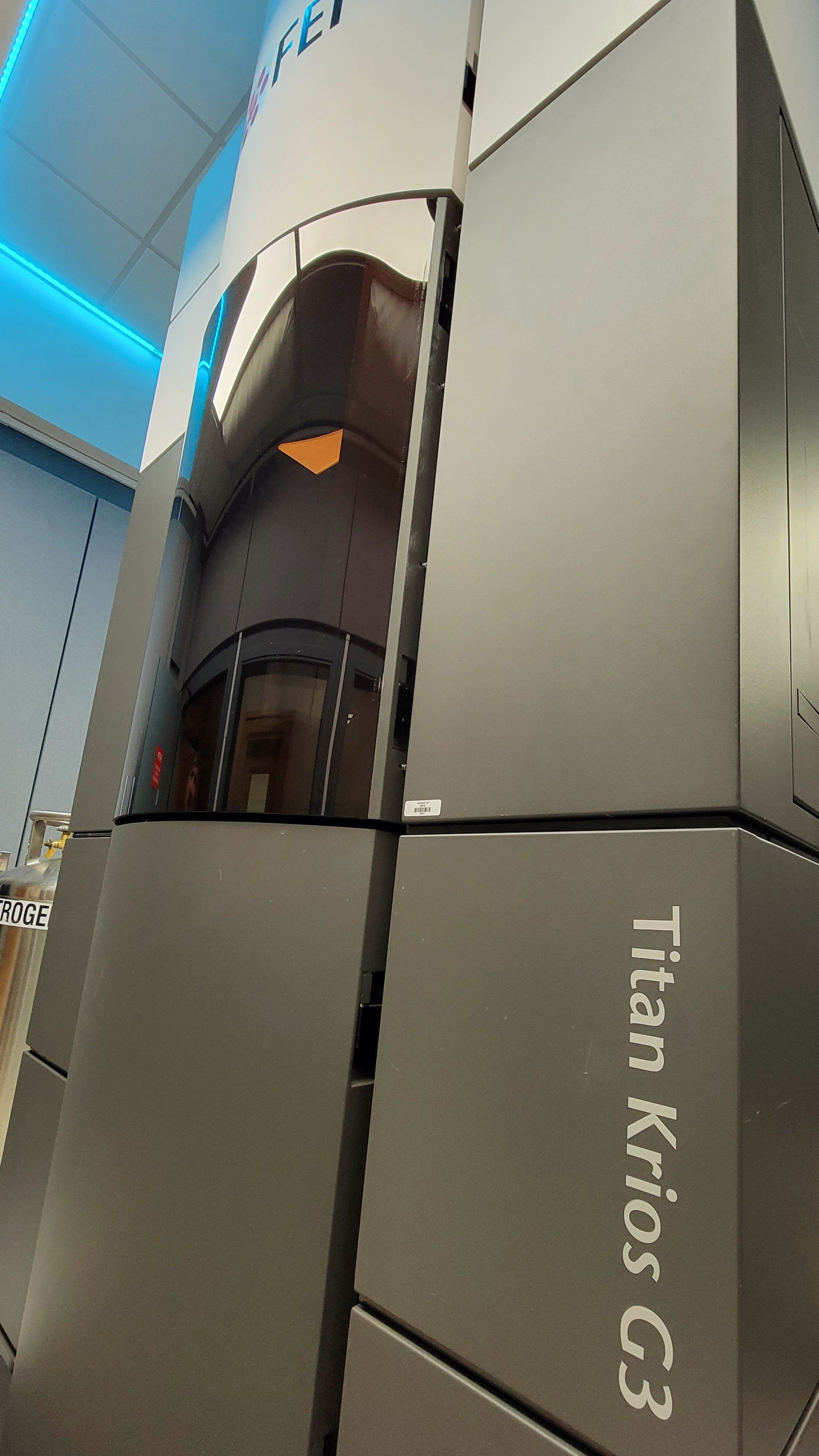
We study the molecular basis of nucleic acid regulatory processes, RNAi and DNA replication in particular. We use the tools of structural biology, biochemistry and biophysics to study proteins and protein complexes associated with these processes to elucidate how they work. Cryo-electron microscopy (cryoEM), X-ray crystallography, and other structural techniques enables us to obtain the three-dimensional structures of these molecular machines. Biochemistry, biophysics and molecular biology allow us to study properties that can be correlated to their function and biology.
The introduction of exogenous double-stranded RNA (dsRNA) into a cell can trigger the gene silencing process called RNA interference or RNAi. Although there has been remarkable progress in unraveling the components of the RNAi machinery, in order to get a complete understanding of these mechanisms we must determine how they work at the molecular level. Therefore, we embarked on structural and biochemical studies of these proteins. By solving the structure of the first full-length Argonaute protein, the key component in the RNAi machinery, we identified Argonaute as “Slicer”, the programmable effector enzyme that harbors the small RNAs, e.g., miRNAs and siRNAs, and cleaves the mRNA as directed by the siRNA. We are interested in the regulation of Argonaute and its participation in distinct silencing pathways, such as the silencing of transposable elements in the germline by the piRNA pathway, as well as RNAi-mediated heterochromatin formation. More recently, we have become interested in a particular miRNA regulatory system – that of the miRNA let-7, which also involves the pluripotent factor Lin28, the uridylases TUT4 and TUT7 and the nuclease Dis3L2, due to its central role in stem cell biology and particularly in cancer. These studies enhance not only our understanding of these important pathways, but should also improve the practical use of the RNAi technology as an experimental tool for gene knockdown technology.
In the field of replication, our goal is to understand the molecular motors involved in replication initiation. In studying the viral replication initiator E1 from papillomavirus as a model system, we discovered how the helicase uses ATP hydrolysis to translocate on DNA, a mechanism that has been recapitulated in many ATPase motors. In recent years, we have been studying the human Origin Recognition Complex (ORC). We determined the structure of human ORC initially using a combination of X-ray crystallography and cryoEM, and more recently by cryoEM and showed the consequences of developmental mutations. Using high-resolution single-particle cryoEM we showed the incredible dynamic nature of the complex. We are now studying the complex in different ATPase states, and the interaction between human ORC, DNA and other factors and complexes involved in replication initiation in humans.
What’s new in the Joshua-Tor lab?
recent publications
Click here for our full list of publications produced by the Joshua-Tor Lab.
OCA-T1 and OCA-T2 are coactivators of POU2F3 in the tuft cell lineage
X.S. Wu, X.-Y. He, J.J. Ipsaro, Y.-H. Huang, J.B. Preall, D. Ng, Y.T. Shue, J. Sage, M. Egeblad, L. Joshua-Tor, and C. R. Vakoc, OCA-T1 and OCA-T2 are coactivators of POU2F3 in the tuft cell lineage, Nature, 607, 169-175 (2022).
Target binding triggers hierarchical phosphorylation of human Argonaute-2 to promote target release
B Bibel, E Elkayam, S Silletti, EA Komives, L Joshua-Tor. Target binding triggers hierarchical phosphorylation of human Argonaute-2 to promote target release. bioRxiv. [preprint.] 2022.01.06.475261; doi: https://doi.org/10.1101/2022.01.06.475261
A shape-shifting nuclease unravels structured RNA
K Meze, A Axhemi, DR Thomas, A Doymaz, L Joshua-Tor. A shape-shifting nuclease unravels structured RNA. bioRxiv [preprint.] 2021.11.30.470623; doi: https://doi.org/10.1101/2021.11.30.470623
Developmental Roles and Molecular Mechanisms of Asterix/GTSF1
J.J. Ipsaro and L. Joshua-Tor, Developmental Roles and Molecular Mechanisms of Asterix/GTSF1, WIREs RNA, https://doi.org/10.1002/wrna.1716. Invited review article.